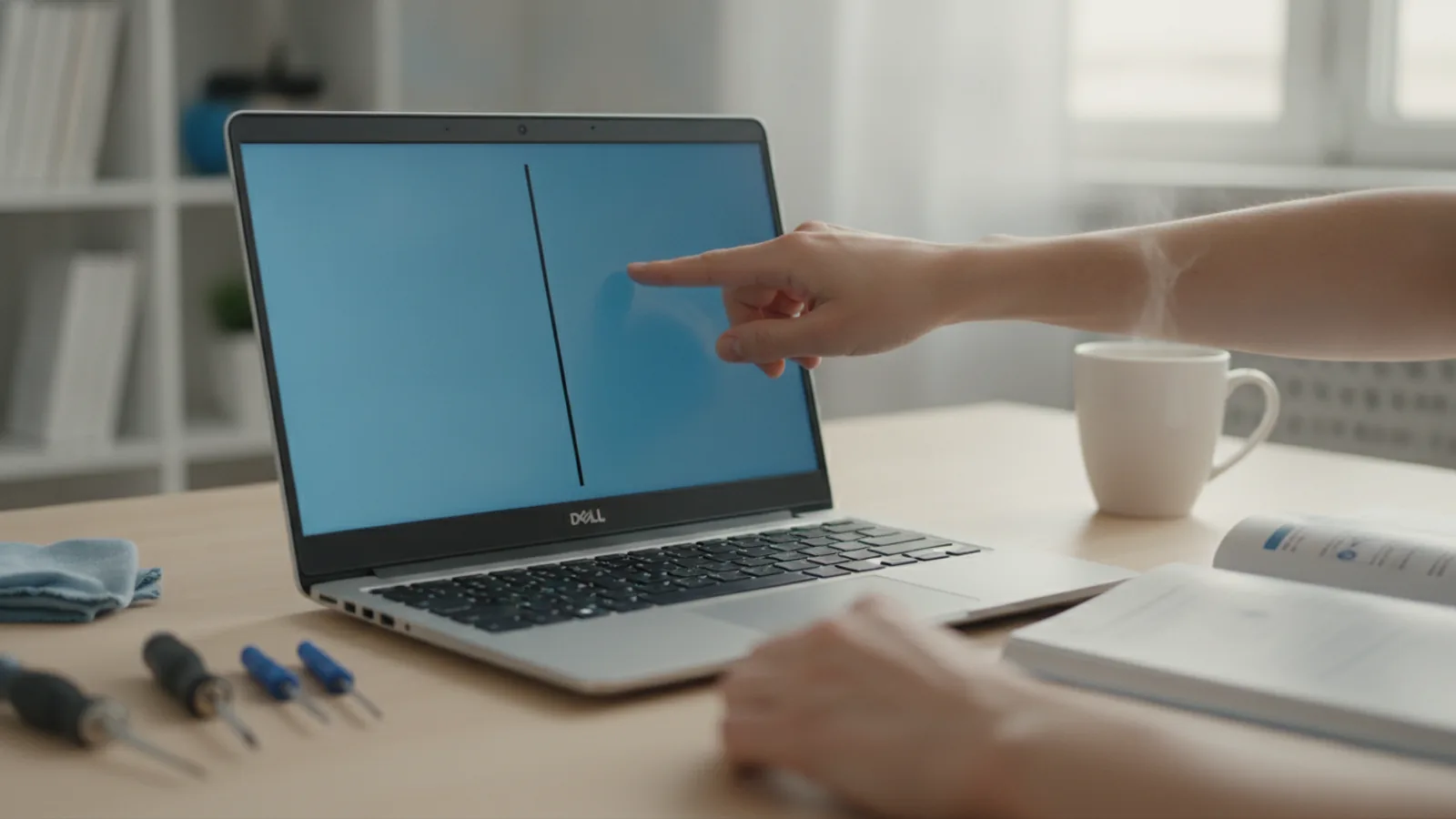
Dell Computer Notebooks
A practical step-by-step guide to dell computer notebooks, including preparation, instructions, common issues, tips, and next steps.

Dell Computer Notebooks
This guide explains how to approach dell computer notebooks, including the preparation, practical steps, common mistakes, and final checks that help you finish with confidence.
Before You Start
Step-by-Step Instructions
Quick Reference
Common Problems When You Use Dell Notebooks
Even with careful setup and maintenance, you might encounter some common issues with your Dell computer notebook. Knowing how to address them can save you time and frustration.
Slow Performance or Freezing
One of the most frequent complaints is a notebook slowing down over time or occasionally freezing. This can be caused by too many programs running in the background, a lack of available RAM, a nearly full hard drive, or outdated drivers.
Fix: Open Task Manager (Ctrl+Shift+Esc) to see what programs are using the most CPU, memory, or disk. Close any applications you don't need. Consider uninstalling programs you no longer use to free up space. Run a disk cleanup (search "Disk Cleanup" in Windows) to remove temporary files. Ensure Windows and all drivers (especially graphics drivers) are up to date through Windows Update and Dell SupportAssist.
Battery Not Charging or Draining Quickly
Battery issues are common, especially as a notebook ages. You might find your battery isn't holding a charge as long as it used to, or it might not charge at all.
Fix: First, ensure the power adapter is securely plugged into both the notebook and the wall outlet. Try a different outlet or adapter if you have one. Check your battery health in Dell Power Manager if your model supports it, or use the Windows battery report (search "cmd" in Start, type powercfg /batteryreport and press Enter, then open the HTML file it creates). Adjust power settings in Windows (click the battery icon) to "Best power efficiency" mode. If the battery is very old, it might need replacement.
Wi-Fi Connectivity Problems
Difficulty connecting to Wi-Fi, frequent disconnections, or slow internet speeds can be frustrating. These issues often stem from driver problems, router issues, or interference.
Fix: Start by restarting your Dell notebook and your Wi-Fi router. This can resolve temporary network glitches. Go to Settings > Network & Internet > Wi-Fi to troubleshoot further. Try running the Windows Network Troubleshooter. Ensure your Wi-Fi drivers are updated via Dell SupportAssist or Dell's website. If possible, try connecting to a different Wi-Fi network to see if the problem is specific to your home network.
Overheating
If your Dell computer notebook feels unusually hot to the touch, especially around the vents, or if the fan is constantly running loudly, it might be overheating. This can lead to performance issues and long-term damage.
Fix: Ensure the air vents on your notebook are clear and not blocked by surfaces like blankets or clothing. Use a can of compressed air to carefully blow dust out of the vents. Consider using a cooling pad if you frequently perform intensive tasks. Reduce the workload on your notebook by closing unnecessary programs. If the problem persists, internal cleaning by a professional might be needed.
Driver Issues or Hardware Conflicts
Sometimes, after an update or installing new hardware, you might encounter issues where certain parts of your Dell notebook don't work correctly, such as the touchpad, sound, or graphics.
Fix: Go to Device Manager (search for it in Windows Start). Look for any devices with a yellow exclamation mark, which indicates a problem. Right-click on the problematic device and select "Update driver." If that doesn't work, try "Uninstall device" and then restart your notebook; Windows will often reinstall the correct driver automatically. Always download drivers from Dell's official support website for your specific model.
Advanced Tips for Dell Computer Notebooks
Once you're comfortable with the basics, these advanced tips can help you further optimize and get even more out of your Dell computer notebook.
Optimize for SSD vs. HDD Performance
Many Dell notebooks now come with Solid State Drives (SSDs), which are much faster than traditional Hard Disk Drives (HDDs). If your notebook has an SSD, ensure you're not defragmenting it, as this is unnecessary and can reduce its lifespan. Windows automatically optimizes SSDs. If you have an HDD, regular defragmentation (search "Defragment and Optimize Drives") can help maintain performance.
For hybrid systems (SSD for OS, HDD for storage), install your operating system and frequently used applications on the SSD for speed, and store large files like photos and videos on the HDD.
Understand Dell Power Manager
If your Dell computer notebook supports it, the Dell Power Manager application offers detailed control over power settings. You can set battery charge limits to extend battery life (e.g., stopping charge at 80% if plugged in most of the time). It also allows you to choose thermal management profiles (e.g., Quiet, Performance, Cool) that adjust fan speed and CPU output based on your needs, helping balance performance and noise.
External Monitor Setup
Connecting an external monitor can greatly improve productivity, especially for tasks requiring more screen real estate. Dell notebooks typically have HDMI, USB-C (which can act as DisplayPort), or sometimes even a DisplayPort directly.
Setup: Connect the monitor to your notebook with the appropriate cable. Press Windows Key + P to open the project menu. You can choose to "Duplicate" your display, "Extend" it (giving you more desktop space), or "Second screen only" (turning off the notebook display). Adjust resolution and display scaling in Settings > System > Display for the best viewing experience on your external screen.
Utilize Dell SupportAssist Features
Beyond driver updates, Dell SupportAssist is a powerful tool for maintaining your Dell computer notebook. It can run hardware scans to detect potential issues before they become critical, clean up junk files, and optimize network settings. Regularly running the "Optimize Network" and "Clean Files" tools can help keep your system running efficiently. SupportAssist can also simplify the process of contacting Dell support if you encounter a hardware problem.
Create a Recovery Drive
While Windows has recovery options, creating a dedicated recovery drive on a USB stick (at least 16GB) is a smart backup plan. If your Dell computer notebook ever experiences a major software issue or fails to boot, this drive can be used to reinstall Windows and potentially restore your system. Search "Create a recovery drive" in Windows Start to begin this process. It's a proactive step that can save you significant hassle.
Dell Computer Notebooks FAQ
How often should I update my Dell computer notebook?
You should aim to install Windows updates as they become available, typically monthly for security patches and feature updates a couple of times a year. Dell-specific driver updates should also be checked monthly via Dell SupportAssist or Dell's website to ensure optimal performance and compatibility.
Can I upgrade parts in my Dell notebook?
It depends on the specific Dell model. Many Dell notebooks allow you to upgrade the RAM (memory) and the storage drive (HDD to SSD, or larger SSD). However, components like the CPU and graphics card are usually soldered to the motherboard and cannot be upgraded. Always check your notebook's service manual (available on Dell's support site) before attempting any upgrades.
How do I extend my Dell notebook's battery life?
To extend battery life, reduce screen brightness, enable "Best power efficiency" mode in Windows settings, close unnecessary background applications, and unplug external devices when not in use. Dell Power Manager, if available, can also help by setting charge limits and optimizing thermal management.
What is "bloatware" on a new Dell notebook?
"Bloatware" refers to pre-installed software that comes with your new notebook, which you might not need or want. While some Dell utilities are useful (like SupportAssist), other third-party apps might consume resources or slow down your system. You can uninstall bloatware through Settings > Apps > Apps & features to improve performance.
How do I perform a factory reset on my Dell notebook?
To factory reset your Dell computer notebook, go to Settings > Update & Security (or System > Recovery in Windows 11) > Recovery. Under "Reset this PC," select "Get started." You'll have options to "Keep my files" (which removes apps and settings but keeps your personal data) or "Remove everything" (for a complete wipe). Choose "Remove everything" if you're selling or giving away the notebook. Always back up your data beforehand.
What is the difference between an Inspiron and an XPS Dell notebook?
The Inspiron series is Dell's mainstream line, offering a wide range of affordable notebooks for everyday use, students, and home offices, balancing features and cost. The XPS series is Dell's premium line, known for its high-end design, superior build quality, more powerful components, and often higher-resolution displays, targeting professionals and users who demand top performance and aesthetics.
Final Checklist for Dell Computer Notebooks
Before you consider your Dell computer notebook fully ready for use, run through this quick checklist to ensure everything is optimized and secure.
By following this guide, your Dell computer notebook will be well-prepared for any task, providing reliable performance and a secure computing experience. Regular checks and maintenance will help keep it running at its best for years to come.